
%0A%0ASource%20Plants:%20...)
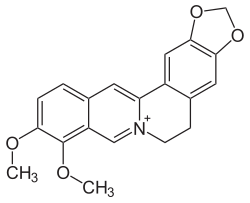
Berberine
A potent plant alkaloid known for its powerful effects on metabolism, blood sugar regulation, and gut health.
BOTANICAL INFORMATION
- Scientific Name: Berberine (alkaloid compound)
- Source Plants: Berberis vulgaris (barberry), Coptis chinensis (goldthread), Berberis aristata
- Family: Berberidaceae / Ranunculaceae (depending on source plant)
- Native Regions: Asia, Europe, Middle East
ACTIVE COMPOUNDS
- Berberine (primary active alkaloid)
- Related isoquinoline alkaloids (berbamine, palmatine)
TRADITIONAL USES AND BENEFITS
-
Traditional Uses:
Used in Chinese and Ayurvedic medicine for infections, digestive issues, and inflammation -
Potential Benefits:
- Strong blood sugar regulation (comparable to Metformin in some studies)
- Improves insulin sensitivity
- Supports fat metabolism and weight regulation
- Antimicrobial (bacteria, fungi, parasites)
- Gut microbiome modulation
- Cardiovascular support (cholesterol reduction)
PREPARATION & DOSAGE
-
Methods of Use:
- Capsules (most common)
- Powder (very bitter, not ideal)
-
Suggested Dosage:
- 500 mg, 2–3 times per day before meals
- Cycle recommended (e.g., 8 weeks on / 2–4 weeks off)
ADDITIONAL NOTES
- AMPK activation — metabolic master switch
- Can cause digestive side effects (cramps, urgency)
- Long-term use without breaks is not ideal for gut balance
- Should not be taken continuously without strategy
- Interacts with medications (especially blood sugar, antibiotics)